、Nostalgic Pleated Midi Skirts: Weaving Memories Through Fabric and Time
There’s a quiet magic in slipping into a pleated midi skirt—one that transcends the boundaries of mere clothing and tugs at the heartstrings of memory. It’s the rustle of fabric as you walk, the way the pleats cascade like a waterfall of soft folds, and the instant sense of nostalgia that washes over you, transporting you back to a time when life felt a little slower, a little more innocent. For me, and for countless others, the pleated midi skirt isn’t just a fashion item; it’s a wearable keepsake, a tangible link to the past that still manages to feel fresh and relevant in the present.
The History Behind the Pleats: A Timeless Silhouette
To truly appreciate the nostalgic allure of the pleated midi skirt, we have to start with its roots. Pleating itself is an ancient technique—dating back thousands of years to civilizations like the Egyptians, who used pleats in linen garments to signify status and elegance. But it wasn’t until the 20th century that the pleated midi skirt as we know it began to take shape, evolving alongside cultural shifts, social movements, and changing ideals of femininity.
The 1950s marked a pivotal moment for the pleated midi. After the austerity of World War II, fashion exploded into a celebration of femininity: full skirts, cinched waists, and soft, romantic fabrics dominated the scene. Designers like Christian Dior, with his iconic “New Look,” redefined women’s fashion, and the pleated midi fit perfectly into this aesthetic. Made from lightweight fabrics like cotton, taffeta, or silk, these skirts fell just below the knee, their pleats carefully pressed to hold their shape, creating a silhouette that was both polished and playful. Women wore them to church, to picnics, to dates—paired with crisp button-down blouses, cardigans, or fitted sweaters. It was a look that felt approachable yet sophisticated, a reflection of the post-war desire for normalcy and joy.
By the 1960s, the pleated midi took on a new identity, mirroring the era’s spirit of rebellion and change. As youth culture rose to prominence, fashion became more bold and experimental. Pleated skirts were still popular, but they started to appear in brighter colors—neon pinks, electric blues, and psychedelic prints—and were paired with cropped tops, go-go boots, and bold accessories. The midi length, once seen as conservative, became a symbol of freedom; it was shorter than the floor-length skirts of the past but longer than the mini skirts that were also gaining popularity, striking a balance between tradition and modernity. For many young women, a pleated midi skirt wasn’t just something to wear—it was a way to express their individuality and their place in a rapidly changing world.
The 1970s brought another shift, as fashion leaned into bohemianism and comfort. Pleated midi skirts softened, with looser, more flowy pleats made from fabrics like chiffon and rayon. Earthy tones—browns, oranges, greens—replaced the bright hues of the 60s, and skirts were often paired with peasant blouses, fringed vests, and platform sandals. This era’s pleated midi felt more laid-back, less structured, and it reflected the decade’s focus on peace, love, and a connection to nature. It was the kind of skirt you’d wear to a music festival, to a hike in the countryside, or to a casual evening with friends—effortless, yet full of character.
As the years went on, the pleated midi skirt faded in and out of the mainstream, but it never truly disappeared. It made a comeback in the 1990s, paired with grunge-inspired flannels and combat boots, and again in the 2010s, as minimalist fashion took hold, with sleek, monochromatic pleated skirts worn with turtlenecks and loafers. Through every iteration, though, one thing remained constant: the skirt’s ability to evoke nostalgia. Whether it’s the 50s’ romanticism, the 60s’ rebelliousness, or the 70s’ bohemian charm, each era’s pleated midi carries a piece of the past, waiting to be rediscovered.
My Personal Love Affair with Pleated Midi Skirts: Memories Stitched in Fabric
I first fell in love with pleated midi skirts when I was a teenager, rummaging through my grandmother’s attic. It was a rainy Saturday afternoon, and I’d begged her to show me the “old clothes” she always talked about—pieces she’d worn in her youth, tucked away in a dusty trunk. As she lifted the lid, the smell of cedar and old fabric filled the air, and there, nestled between a wool coat and a floral dress, was a cream-colored pleated midi skirt.
It was made of thin, soft cotton, with tiny, perfectly pressed pleats that ran from the waist to just below the knee. The waistband was lined with a faded pink satin, and there was a small, hand-stitched button on the side. “I wore this to my first dance,” my grandmother said, her eyes softening as she traced the pleats with her finger. “It was 1957, and your grandfather picked me up in his father’s car. I was so nervous I spilled lemonade on the hem, but he just laughed and said it looked like a little splash of sunshine.”
I held the skirt up to myself, and even though it was too small—my grandmother was much slighter than I was—I could already imagine wearing it. There was something about the way the pleats moved, the way the fabric felt against my hands, that felt like a hug from the past. My grandmother smiled and said, “You can have it. Maybe you’ll make some memories of your own in it.”
I never did fit into that skirt—not really. But I kept it, hanging in the back of my closet, a reminder of my grandmother’s youth and the stories that clothes can tell. It wasn’t until a few years later, when I was in college, that I bought my first “new” pleated midi skirt. I found it in a vintage shop downtown, a deep navy blue one made of polyester, with wide, flowing pleats. It fit perfectly, and when I put it on, I felt a surge of confidence I’d never felt before. I wore it to my first day of classes, to a friend’s birthday party, and even to a job interview (I got the job, and I like to think the skirt had something to do with it).
Since then, I’ve collected pleated midi skirts in all shapes, sizes, and colors. There’s a red velvet one I wear during the holidays, its pleats shimmering in the Christmas lights. A black silk one that’s perfect for fancy dinners, its smooth fabric draping beautifully. A floral print one I found at a flea market, its faded colors and slightly frayed hem telling a story I’ll never fully know. Each one has a memory attached to it: the red velvet skirt reminds me of baking cookies with my sister last December; the black silk one makes me think of my anniversary dinner with my partner; the floral one takes me back to the day I wandered through the flea market, eating a ice cream cone and feeling perfectly content.
That’s the beauty of pleated midi skirts—they’re not just clothes. They’re vessels for memory. Every time you put one on, you’re not just choosing an outfit; you’re connecting to the past, to the people and moments that have shaped you. Whether it’s a vintage piece passed down through your family or a new one you bought last week, a pleated midi skirt has the power to make you feel like you’re part of something bigger—to make you feel nostalgic for a time you might not have even lived through, or to cherish the moments you’re living right now.
Classic Recommendation

Best Sellers
Sale!
Clothing
Original price was: $129.99.$39.00Current price is: $39.00.
Sale!
Clothing
Original price was: $74.99.$22.50Current price is: $22.50.
Sale!
Clothing
Original price was: $99.99.$30.00Current price is: $30.00.
Sale!
Clothing
Original price was: $44.99.$13.50Current price is: $13.50.
Sale!
Clothing
Original price was: $199.99.$60.00Current price is: $60.00.
Sale!
Clothing
Original price was: $69.99.$21.00Current price is: $21.00.
Sale!
Clothing
Original price was: $29.99.$9.00Current price is: $9.00.
Sale!
Clothing
Original price was: $54.99.$16.50Current price is: $16.50.
Sale!
Clothing
Original price was: $29.99.$9.00Current price is: $9.00.
Sale!
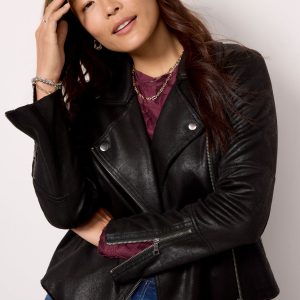
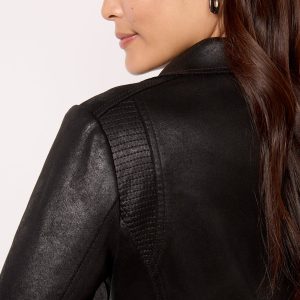
Clothing
Original price was: $49.99.$15.00Current price is: $15.00.
Sale!
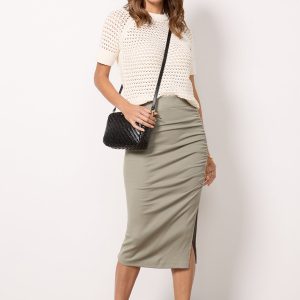
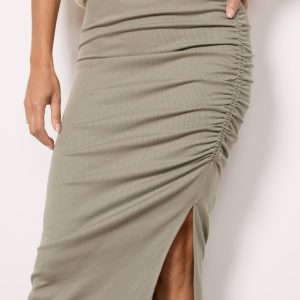
Clothing
Original price was: $79.99.$24.00Current price is: $24.00.
Sale!
Clothing
Original price was: $89.99.$27.00Current price is: $27.00.
Sale!
Clothing
Original price was: $134.99.$40.50Current price is: $40.50.
Sale!
Clothing
Original price was: $79.99.$24.00Current price is: $24.00.
Sale!
Clothing
Original price was: $74.99.$22.50Current price is: $22.50.
Sale!
Clothing
Original price was: $79.99.$24.00Current price is: $24.00.